
Moving to Spartanburg, SC: What to Know About Living in the Hub City
If you're looking for an Upstate city with history, a changing downtown, major transportation access and plenty of room to explore beyond the city center, Spartanburg, SC is worth getting to know.
Located near the intersection of I-85 and I-26, Spartanburg has long been an important transportation and commercial center. Its historic nickname, “Hub City,” came from the rail lines that once converged here, connecting Spartanburg with destinations throughout the South.
For buyers searching for homes for sale in Spartanburg, SC, the broader area offers older in-town homes, established neighborhoods, renovated properties, suburban subdivisions, new construction, acreage and rural properties as you move farther from downtown.
Downtown Spartanburg Is Changing Quickly
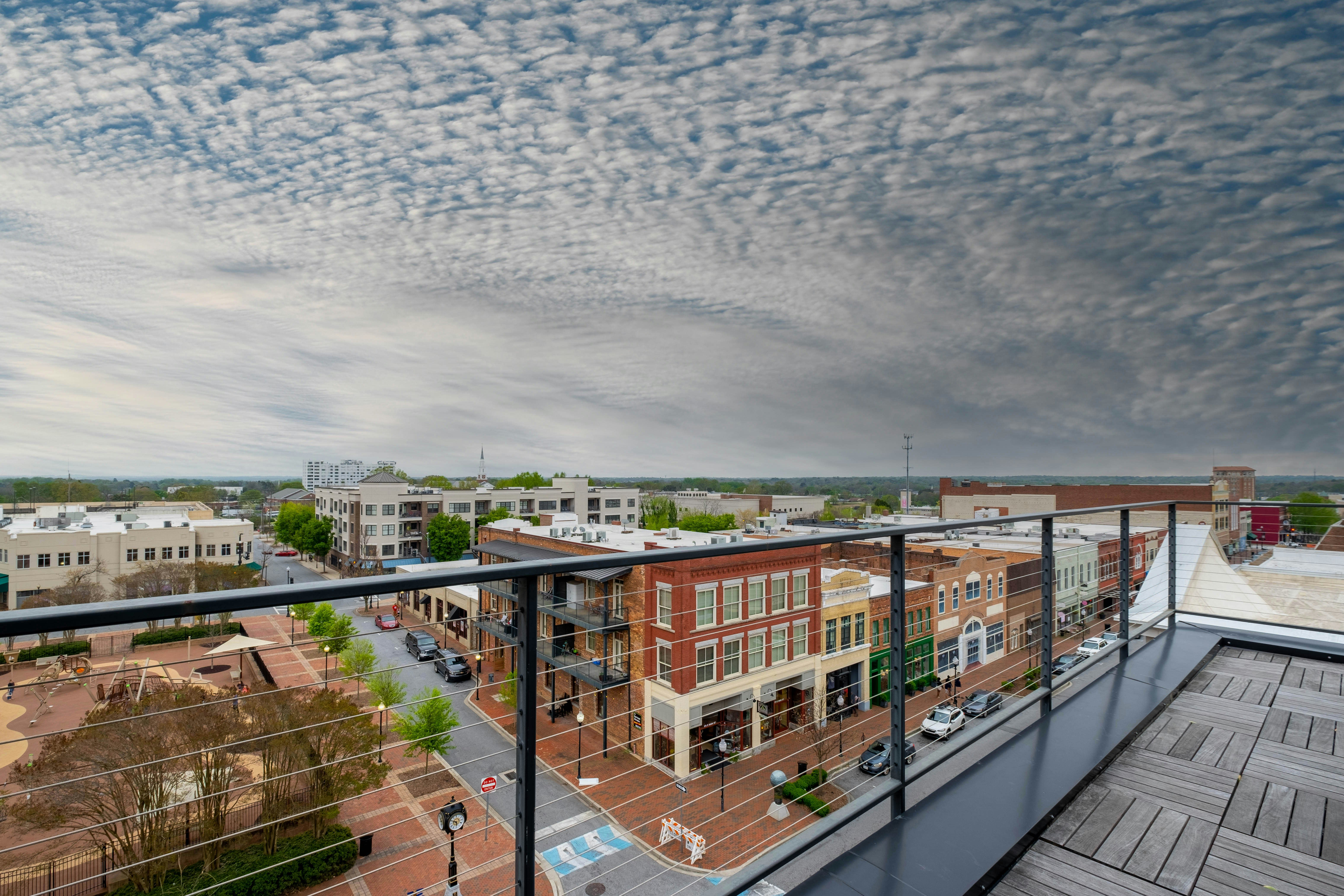
Morgan Square has long served as the center of downtown Spartanburg, and redevelopment continues to add new reasons to spend time in the city center.
Downtown includes restaurants, locally owned businesses, public art, Chapman Cultural Center, Barnet Park and entertainment venues.
One of the biggest recent additions is Fifth Third Park, home of the Hub City Spartanburgers, the Texas Rangers' High-A minor-league affiliate. Downtown investment and new residential development have also continued around the ballpark and surrounding districts.
Railroad and Textile History Shaped the City
Spartanburg became a city in 1880, but its development accelerated during the late nineteenth century as railroads expanded throughout the region.
Those rail connections established Spartanburg's Hub City identity, while cotton and textile mills became important parts of the local economy.
That history is still visible in older neighborhoods, former mill communities, railroad corridors and historic structures throughout Spartanburg County.
What Kind of Homes Can You Find in Spartanburg?
The Spartanburg market covers much more than downtown.
Close to the city center, buyers can find established neighborhoods, older brick homes, bungalows and renovated properties. Moving outward, housing becomes increasingly suburban and rural, with larger lots, newer subdivisions and acreage available in many parts of Spartanburg County.
When comparing Spartanburg properties, pay attention to:
- Proximity to I-85 or I-26
- City versus county location
- School district boundaries
- Lot size and property maintenance
- HOA restrictions
- Utilities, wells and septic systems on rural properties
- Commute routes
- Distance to shopping and everyday services
The phrase “Spartanburg address” covers a surprisingly large geographic area, so two listings with the same city in the mailing address may be very different in setting.
Outdoor Recreation Goes Beyond Downtown
Spartanburg has a growing trail system along with substantial outdoor recreation outside the city.
The Mary Black Rail Trail connects into Spartanburg's broader trail network, while nearby Croft State Park encompasses more than 7,000 acres and offers hiking, biking, fishing, boating and equestrian trails.
Lake Cooley and other county recreation areas provide additional opportunities for time on the water.
Schools in the Spartanburg Area
The City of Spartanburg is primarily associated with Spartanburg County School District Seven, but the broader Spartanburg area contains multiple school districts.
Spartanburg County actually has seven public school districts, and addresses with “Spartanburg” mailing addresses may fall into Districts 3, 6 or 7 depending on location.
Buyers should verify the assigned schools for an individual property directly with the applicable district.
Connected to the Rest of the Upstate
Spartanburg's location at I-85 and I-26 makes transportation one of the area's defining characteristics.
I-85 connects the region toward Greenville and Charlotte, while I-26 runs toward Asheville to the north and Columbia and Charleston to the south.
That location can be attractive to buyers who need access to different parts of the Upstate rather than commuting to only one downtown.
Is Spartanburg, SC Right for You?
Spend time in both downtown Spartanburg and the surrounding county before deciding where you want to live.
Explore Morgan Square, drive through established neighborhoods, visit communities near the interstate corridors and compare those with more rural areas outside the city.
If you're considering moving to Spartanburg, SC, a local real estate agent can help you understand the differences between the city's neighborhoods, suburban communities and the many areas that share a Spartanburg mailing address.
Thinking about buying or selling a home in Spartanburg or the surrounding Upstate?
The BRANDT/MULLINS Mom & Sons Team would be happy to help.