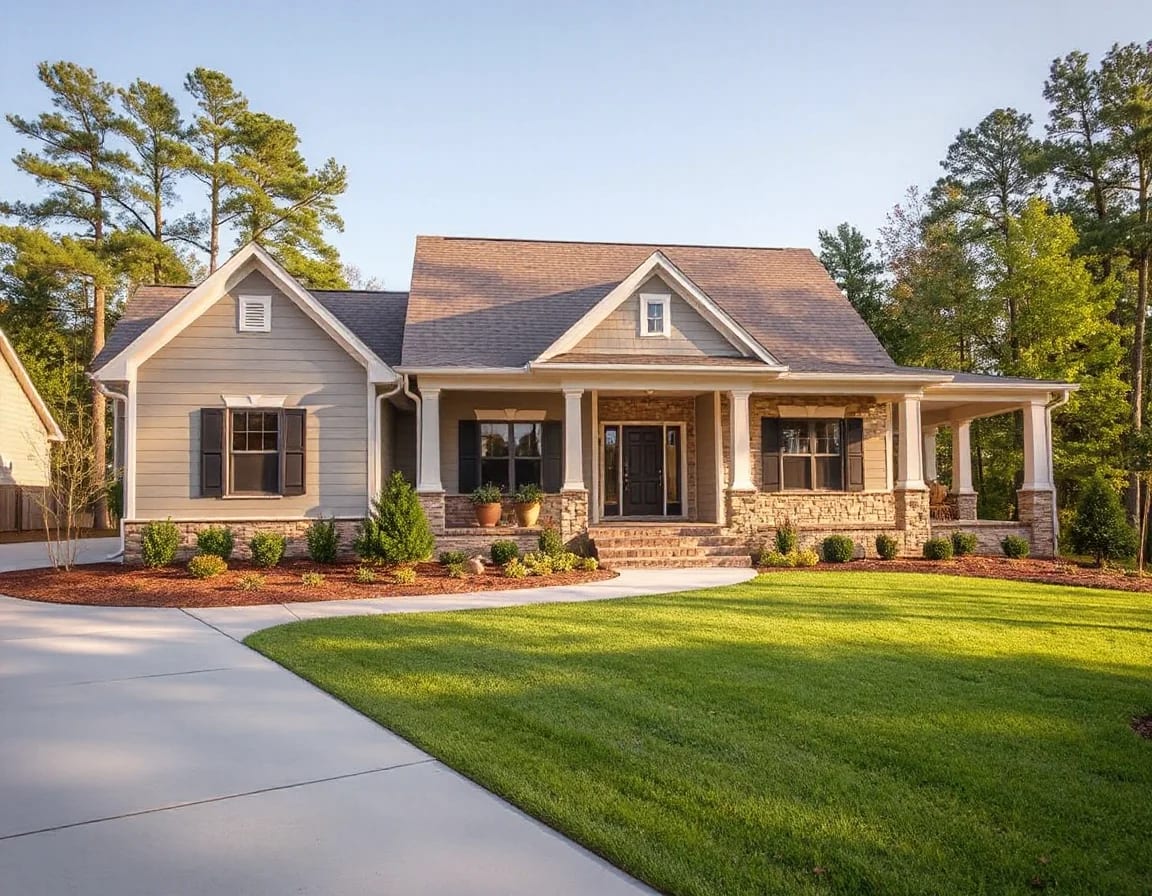
A new home can offer fresh finishes, modern systems, and the chance to personalize important details—but the builder’s model home is only the beginning of the decision. Before buying new construction in Greenville, learn how lots, timelines, incentives, inspections, and contract terms can shape both your budget and your closing day. Careful questions early can make the process clearer and more manageable.
Start With the Community Plan, Not Just the Model Home
New construction in Greenville, South Carolina, can look refreshingly straightforward: choose a neighborhood, tour a polished model, select finishes, and wait for the keys. In practice, each of those steps contains choices that can affect the final price, delivery date, and everyday use of the home. A model is designed to showcase a builder’s best presentation, often with upgraded flooring, lighting, cabinetry, landscaping, and furnishings that may not be included in the base price.
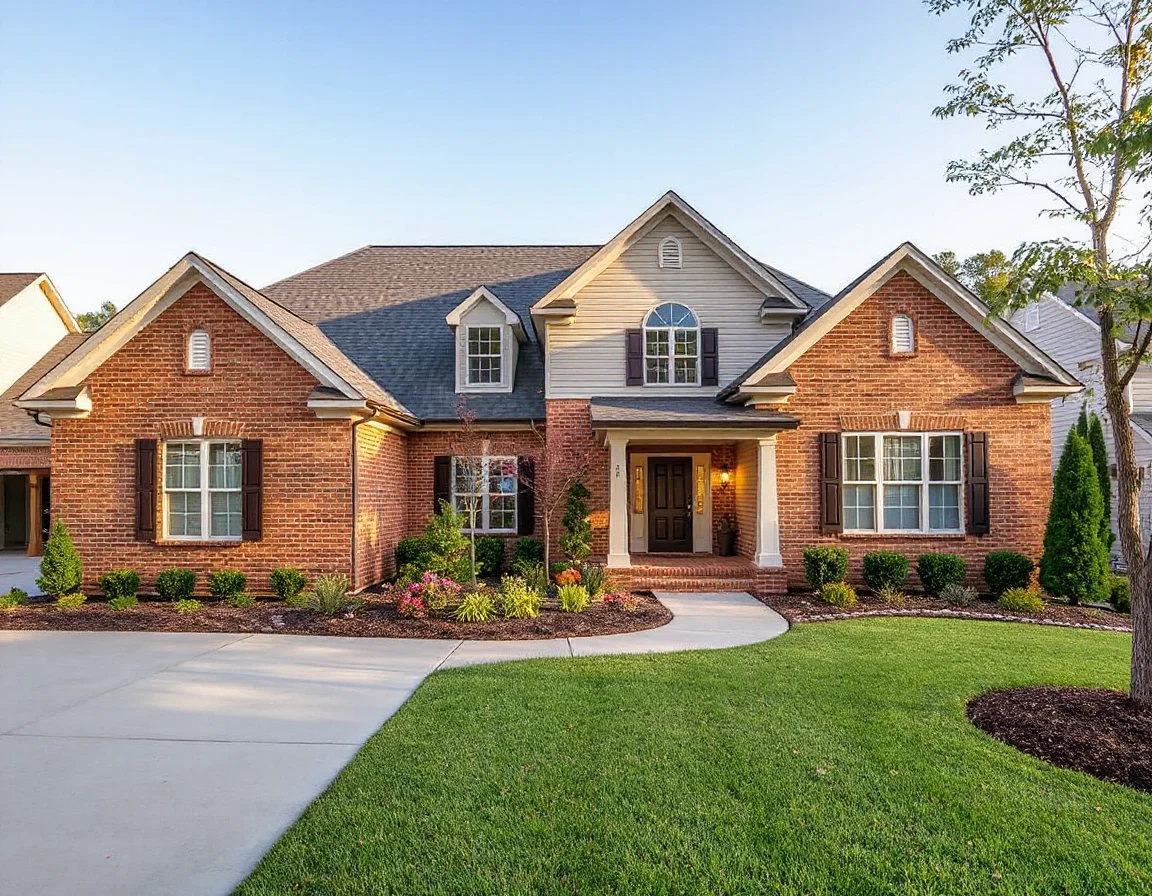
Begin by looking beyond the staged interior. Ask for a site plan and identify the actual available lots, including their orientation, width, slope, drainage features, rear setbacks, and proximity to common areas or future phases. A lot that seems similar on paper may have very different sunlight, outdoor-space, privacy, or driveway considerations than another lot a few streets away.
It is also useful to ask what is planned around the community. Some Greenville-area developments are completed in phases, which can mean additional construction activity after closing. Request information about future roads, retained green space, amenities, utility areas, and any adjacent land that is not part of the current development. These are objective planning details that help buyers compare homes on more than curb appeal.
The advertised “from” price is usually tied to a particular floor plan, homesite, and included-feature package. Compare the written estimate for the exact home and lot you want—not the price displayed on the model-home sign.
Build a Realistic Budget for Options, Closing Costs, and Ownership
Base prices are important, but they are rarely the whole financial picture. Builders commonly offer design selections such as counters, tile, appliances, hardware, flooring, trim, lighting, and patio upgrades. Some options add genuine long-term value or make a space work better for your needs; others may be easier or less expensive to add after closing. The right choice depends on cost, construction timing, warranty implications, and how difficult an item would be to change later.
Ask the sales representative for an itemized estimate that separates the base home, lot premium, structural selections, design-center selections, lender charges, prepaid items, association fees, and any buyer-paid closing costs. If a monthly payment is part of your decision, have a lender explain how property taxes, homeowners insurance, mortgage insurance when applicable, and association dues affect the projected total.
Builder incentives can be valuable, particularly when they are connected to a preferred lender or title company. Still, compare the overall loan terms rather than focusing only on a credit toward closing costs or upgrades. Interest rate, lender fees, rate-lock terms, loan program flexibility, and the estimated cash needed at closing all deserve a side-by-side review. Buyers may generally explore financing options, so an independent comparison can provide useful context.
For communities with a homeowners association, request the current budget, covenants, rules, architectural guidelines, and transfer or capital-contribution fees. Review what the dues cover, how amenities are maintained, and whether there are restrictions that could affect exterior changes, parking, fences, rentals, or landscaping. These documents are part of understanding the full ownership cost.
Read the Builder Contract With a Timeline in Mind
A resale purchase contract and a builder contract do not always allocate risk in the same way. New-construction agreements may include estimated completion dates, provisions for material shortages or weather delays, change-order rules, deposit schedules, and limits on cancellations. The date discussed during an early visit may be an estimate rather than a guaranteed closing date, especially before permits are issued or the home reaches a later stage of construction.
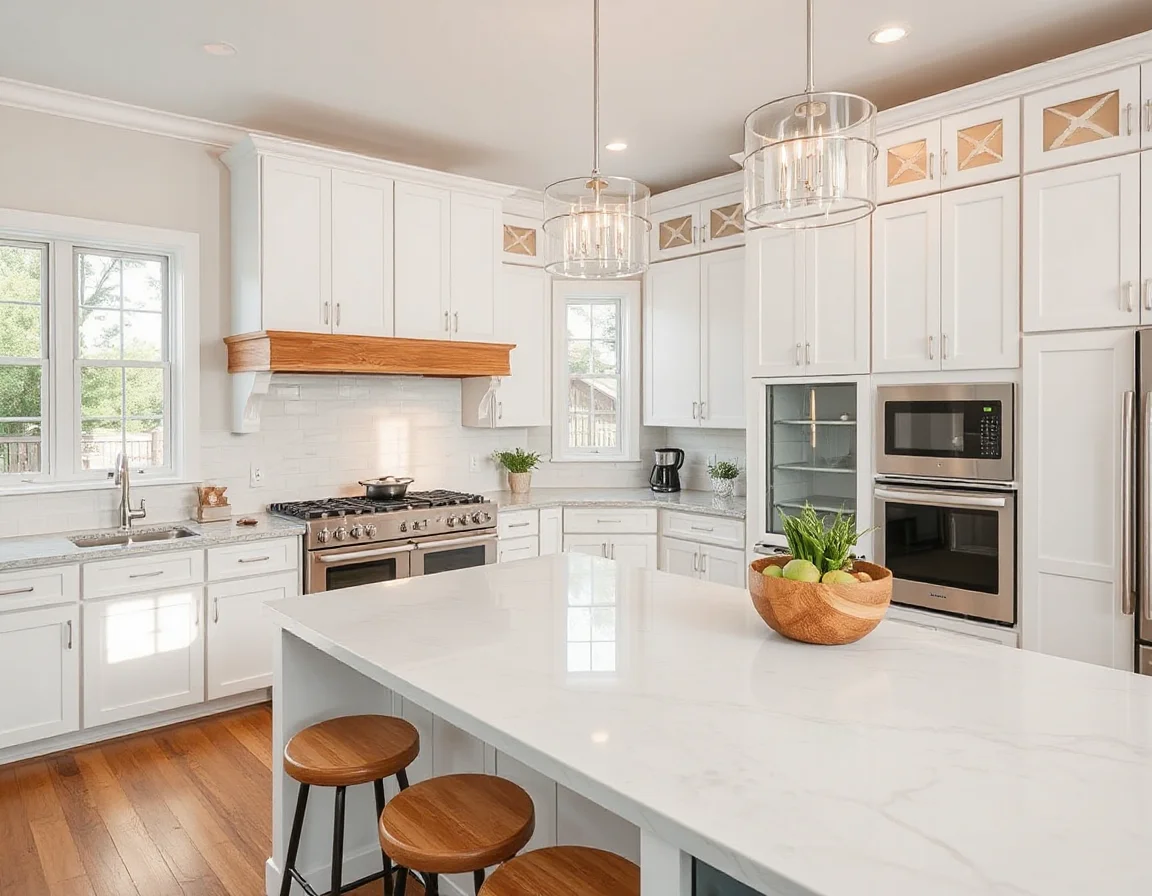
Before signing, read every addendum and ask questions about deposits, option deadlines, escalation clauses, warranty procedures, and what happens if the builder changes a material or product line. Find out whether substitutions are permitted, how you will be notified, and whether you have choices if a selected finish is unavailable. Keep copies of signed selections, revised estimates, construction updates, and email confirmations in one organized file.
Timing matters outside the contract as well. Buyers who are selling another property, ending a lease, coordinating movers, or arranging temporary housing should leave room for changes. A flexible plan can reduce pressure if construction, lending, inspections, or final municipal approvals take longer than expected. Your lender should also explain the rate-lock timeline and available options if the anticipated closing date moves.
Treat the builder’s completion estimate as a planning tool, not a date to schedule every downstream commitment around. Confirm milestone updates regularly and keep a practical backup plan for housing and moving logistics.
Inspections and Walk-Throughs Still Matter
A newly built home is typically subject to local code inspections, but a code inspection is not the same as an independent inspection performed for a buyer. Many purchasers choose to hire a qualified inspector at one or more stages, such as before drywall, before closing, and near the end of the builder warranty period. The availability and timing of these inspections can vary by builder and construction schedule, so ask about access and notice requirements early.
The pre-closing walk-through is an opportunity to document incomplete work, visible defects, missing items, and questions about how systems operate. Bring your contract, selection sheet, and a method for taking notes. Test accessible fixtures and appliances, verify that selected features appear where expected, and ask for demonstrations of the HVAC controls, irrigation system if included, garage-door operation, smart-home features, shutoff valves, and warranty request process.
Greenville’s humid summers, seasonal rainfall, and variable temperatures also make drainage, grading, exterior caulking, gutters, and HVAC performance worthwhile discussion points. Ask how the lot is designed to direct water, what maintenance is expected from the owner, and what steps to take if you notice an issue after closing. A clear answer is more useful than an assumption based on a brand-new appearance.
Use Local Guidance to Compare the Full Opportunity
New construction offers one path to homeownership in Greenville, but it should be compared with existing homes using the same practical lens: location, commute patterns, lot characteristics, monthly costs, condition, available inventory, and future maintenance. A newer home may provide energy-conscious features and current layouts, while an existing property may offer an established setting, different price point, or faster closing. Neither choice is automatically better; the best fit is the one that aligns with your priorities and financial plan.
Britt Brandt and Family Team Realty bring decades of Greenville market experience to conversations about new construction, resale options, relocation planning, and buyer representation. A knowledgeable local professional can help you ask precise questions, interpret comparable properties, and keep the process focused on the home rather than the model-home presentation alone.
Talk with Family Team Realty about your Greenville home search
The most confident new-construction purchase begins with details. Tour the model for inspiration, then turn to the plans, specifications, contract, financing, inspections, and lot itself for the information that supports a well-considered decision. With a realistic budget and a documented process, you can approach a Greenville new-build purchase prepared for both the exciting selections and the important fine print.