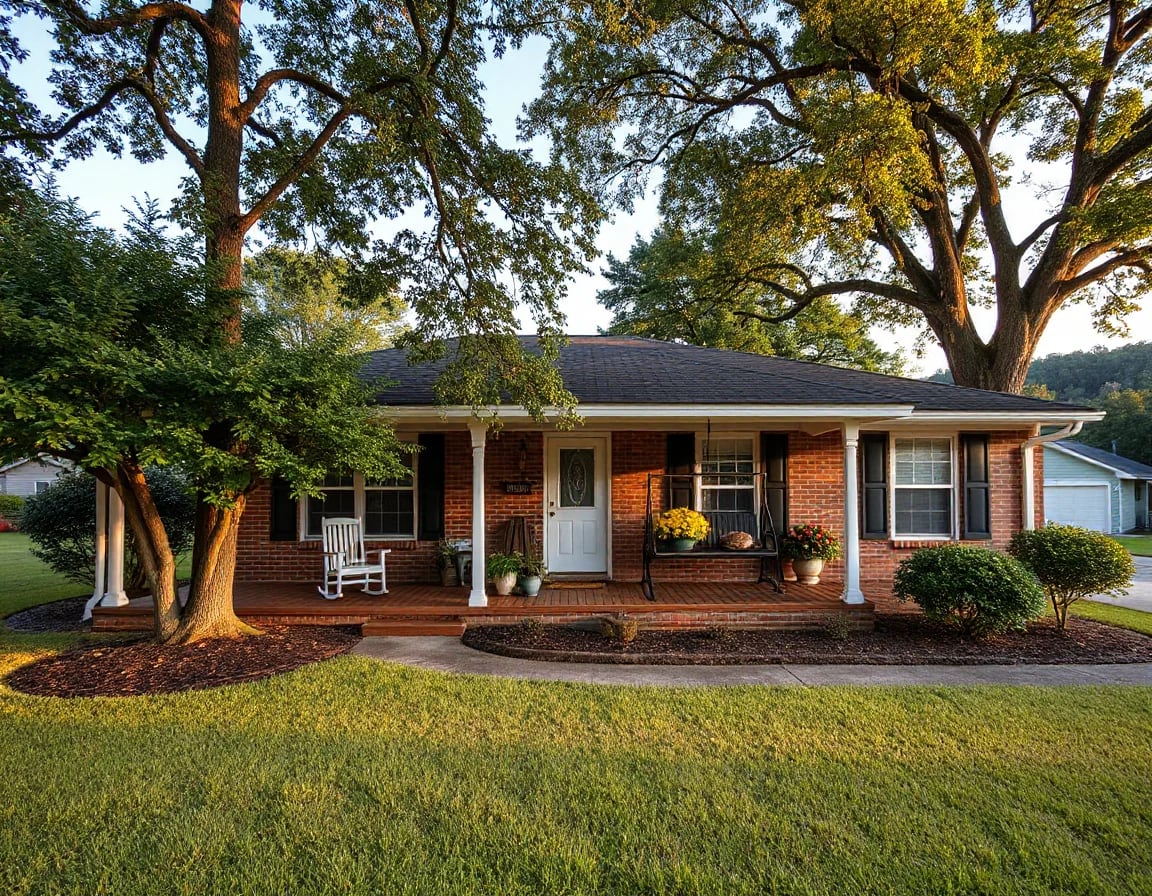
A long-term home plan is about more than choosing a view you love today. From Lake Bowen’s water-oriented setting to Inman’s foothill scenery and convenient routes through Spartanburg County, buyers can compare daily routines, property upkeep, housing styles, and future flexibility before making a move. A thoughtful search turns a beautiful setting into a home that can support changing priorities for years to come.
Start With the Life You Want to Build
Long-term living begins with a practical question: what should an ordinary Tuesday look like in your next home? In the Lake Bowen and Inman area, that answer may include a morning view of the water, an easy drive for errands, time outdoors, space for hobbies, or a floor plan that can adjust as work and household needs change. The most successful home search is rarely based on a single feature. It is a balance of location, layout, maintenance expectations, budget, and the routines that matter most.

Lake Bowen offers a distinctive setting for buyers who value water views, boating access, fishing, or simply the changing light over the shoreline. Properties around the lake can range from established homes on wooded lots to newer construction in nearby communities. Because the lake is a major part of the ownership experience, it helps to look beyond the view. Ask about road access, dock permissions, shoreline conditions, utility service, septic systems where applicable, and the ongoing care required for a larger lot or waterfront structure.
Just inland, Inman provides another version of long-term appeal: Blue Ridge foothill views on clear days, a small-city rhythm, and convenient connections to Spartanburg, Greenville, Greer, and the broader Upstate. Housing options may include older homes with character, new builds, townhomes, and properties with more land. That range gives buyers room to prioritize what matters most, whether it is a lower-maintenance exterior, a dedicated workspace, storage for outdoor equipment, or a flexible bonus room.
A scenic setting is only part of the equation. Before writing an offer, visit at more than one time of day to understand traffic patterns, sunlight, road noise, parking, and how the property feels during an ordinary weekday.
It is also useful to think in chapters rather than snapshots. A home that works well over time often has spaces with more than one purpose: a guest room that can become an office, a dining area that can support a project table, or a main-level room that adds flexibility without requiring a major renovation. These are not flashy checklist items, but they can have an outsized effect on how comfortably a property supports changing needs.
Compare the Practical Side of Lake and Foothill Properties
Long-term planning means understanding the difference between purchase price and total ownership. A lake-adjacent home may involve specialized insurance considerations, dock maintenance, landscaping near the shoreline, or equipment for managing a sloped yard. A property with mountain-facing terrain may bring rewarding views along with driveway grades, drainage questions, tree maintenance, and seasonal cleanup. None of these details should automatically rule out a home; they simply belong in the decision process early.
For every property, create a short ownership worksheet. Include estimated mortgage costs, taxes, insurance, utilities, homeowner association fees if any, anticipated maintenance, and the likely timing of large expenses such as roof replacement, HVAC service, exterior paint, or deck repairs. Buyers considering new construction can also compare included features, lot premiums, builder warranties, and the cost of upgrades that may be easier to complete before closing than after move-in.
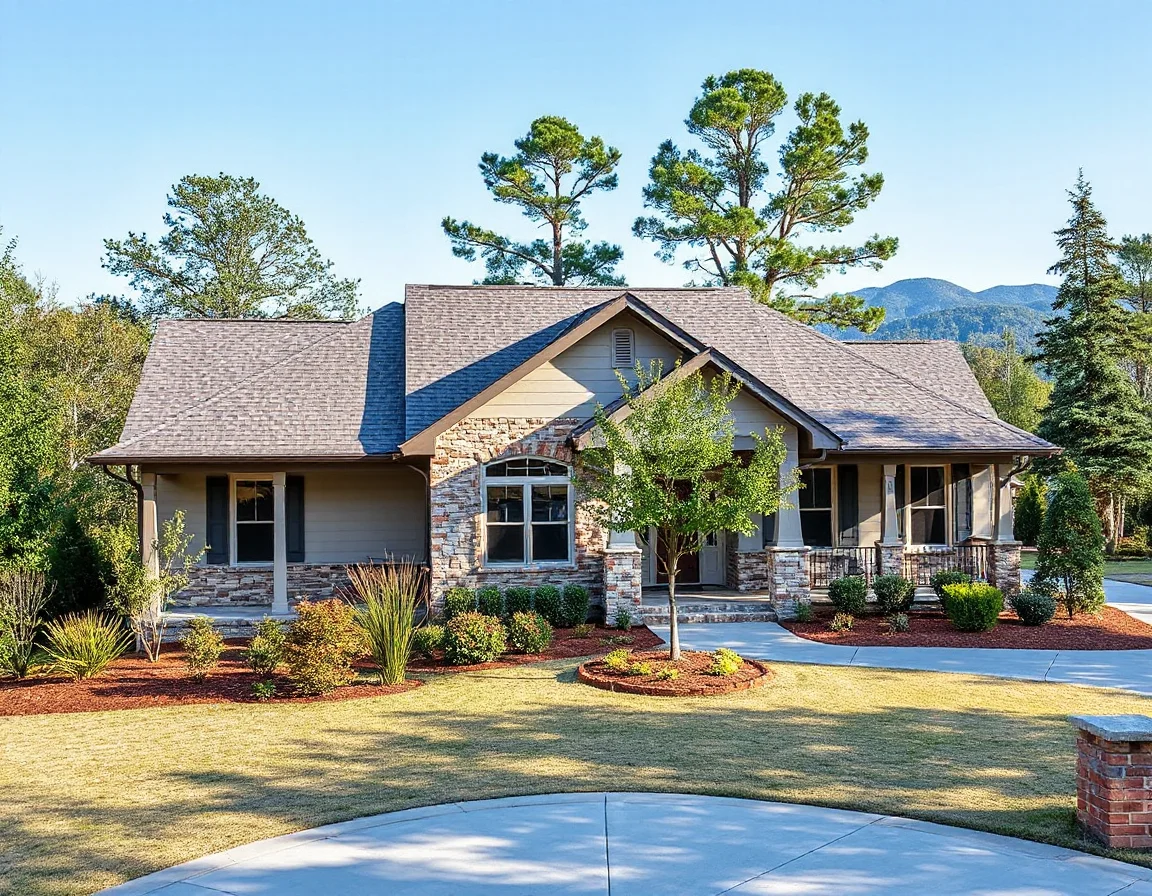
A careful inspection is especially valuable when a home has features tied to its setting. For example, a wooded lot may merit close attention to grading, retaining walls, drainage paths, and tree health. For lake-oriented properties, buyers may want clarity around water access, easements, setbacks, and any local rules affecting docks or shoreline improvements. A knowledgeable local agent can help identify the questions to ask, while inspectors and relevant specialists can provide property-specific guidance.
Commute patterns deserve a place on the worksheet, too. Inman’s location can offer access to employment centers and amenities throughout the Upstate, but actual travel time depends on the address, the route, and the time of day. Test the drive to the destinations you use most often: grocery stores, medical services, recreation, appointments, and workplaces. Mapping an area is helpful; experiencing it can reveal much more.
Build a reserve into your monthly plan for routine care and unexpected repairs. A realistic maintenance budget can make it easier to enjoy a home’s location and features without turning every project into a surprise.
For sellers, these same considerations are an opportunity. Clear records for improvements, maintenance, permits, utility costs, and service providers can help buyers understand the property with greater confidence. If your home has a dock, a large deck, a well, a septic system, mature landscaping, or recent upgrades, organizing documentation before listing can make the conversation more straightforward.
Choose Features That Can Keep Working
It is tempting to focus entirely on finishes when touring homes, but the bones of a property usually matter more over the long run. Consider the number of steps from parking to the main entrance, the location of bedrooms and full bathrooms, hallway widths, natural light, storage, laundry placement, and the ability to create a comfortable work or hobby area. These features can influence daily convenience regardless of a buyer’s stage of life or household structure.
Outdoor spaces deserve the same attention. A covered porch, manageable patio, low-maintenance landscaping, or a usable yard can add enjoyment without necessarily demanding constant upkeep. On a lake lot, note whether the walk to the water is gradual or steep, how much shade the property receives, and whether outdoor gathering areas are positioned for the season and light you prefer. In foothill locations, look at drainage after rain and the orientation of decks, windows, and outdoor seating areas.
New construction can offer the appeal of modern systems, current design, and the chance to choose certain finishes. Established homes may offer mature trees, larger lots, distinctive architecture, and locations that are already well understood. Neither path is automatically better. The right choice depends on how much customization, maintenance, location certainty, and project management you want to take on.
A buyer representation strategy can bring structure to these decisions. Britt Brandt and Family Team Realty draw on deep Greenville-area experience across relocation, new construction, luxury homes, and a wide variety of buyer needs. That local perspective can help turn a broad wish list into a clear plan for touring, comparing, negotiating, and completing due diligence.
Let the View Be Part of a Well-Considered Decision
Lake Bowen sunsets and Blue Ridge views can make a property memorable, but long-term confidence comes from pairing that emotional connection with solid research. Revisit the homes that stay on your mind. Review disclosures, ask direct questions, estimate improvements, and picture the property across different seasons. The goal is not to predict every future change; it is to choose a home with enough flexibility and staying power to meet the moments you can anticipate.
Whether your search leads to a quiet lake road, a newer Inman neighborhood, or a home with an open foothill horizon, give yourself room to evaluate the complete picture. When the setting, budget, condition, and daily practicalities line up, the result can be more than a scenic address. It can be a place that continues to fit as your plans evolve.